
7 Day Lemosho Route – Kilimanjaro Climb Package
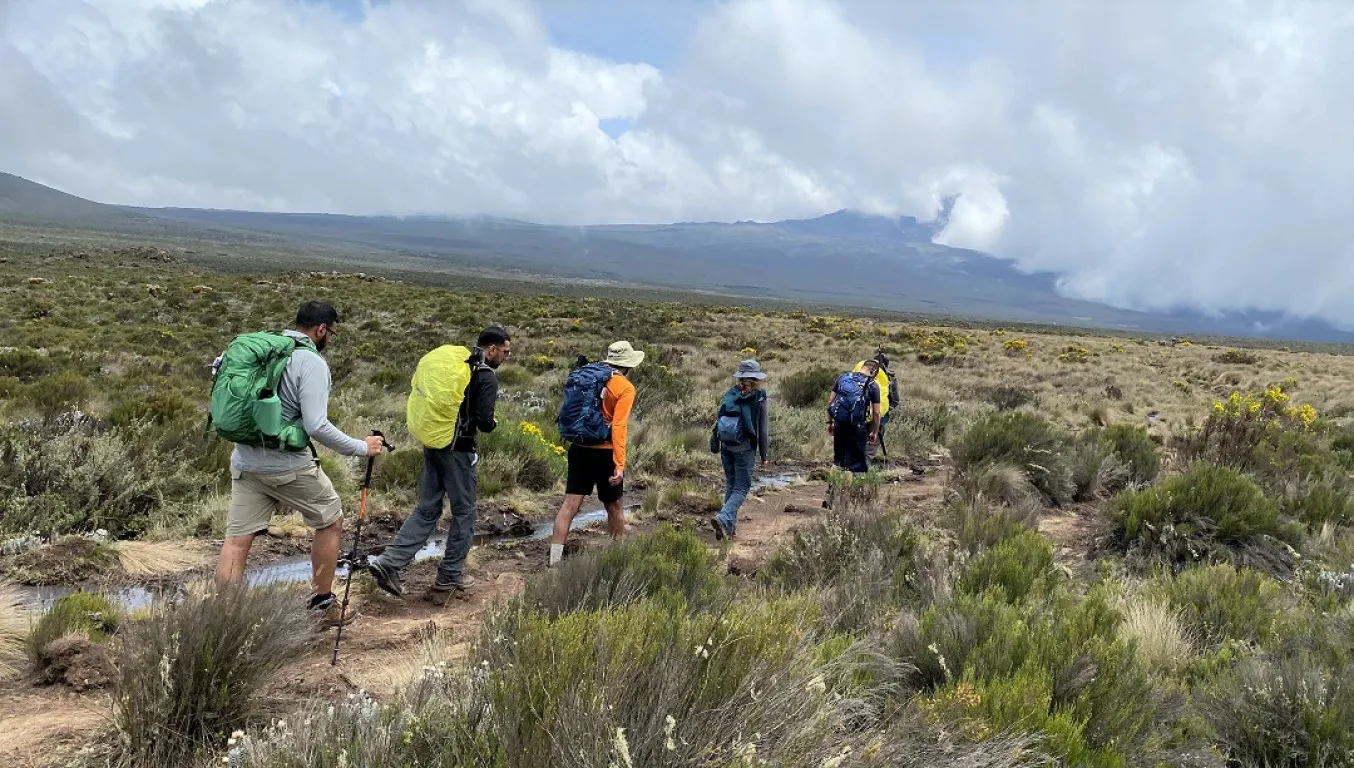
The 7 day Lemosho Route is one of the most scenic and less crowded ways to climb Mount Kilimanjaro, offering excellent acclimatization with a gradual ascent. This route is ideal for trekkers who want to experience diverse landscapes, from lush rainforests to alpine deserts, and improve their chances of summiting successfully. The trek starts on the western side of the mountain, providing stunning views and a peaceful start away from the busier Marangu and Machame routes.
The Lemosho Route is known for its beautiful scenery, high success rates, and a longer itinerary that allows your body to adjust better to the altitude. It is perfect for adventurous climbers seeking a rewarding and memorable Kilimanjaro experience over a full week.
At a Glance
Duration: 7 Days on the mountain
Route Type: Camping accommodation
Start Point: Lemosho Gate
End Point: Mweka Gate
Difficulty: Moderate to challenging
Scenery: Rainforest, moorland, alpine desert, rocky slopes, glacier views
Best For: Intermediate to experienced trekkers, those wanting better acclimatization and less crowded trails
Detailed Itinerary – 7 Day Lemosho Route
Day 1: Lemosho Gate to Mti Mkubwa Camp
After arrival and registration at Lemosho Gate (2,100m), you begin trekking through the dense rainforest. This section is rich with wildlife and plant life, and you may spot monkeys and colorful birds. After approximately 4–5 hours of walking, you will reach Mti Mkubwa (Big Tree Camp) at 2,700 meters for your first night.
Day 2: Mti Mkubwa (Big Tree Camp) to Shira 1 Camp
Trekking continues westward as you leave the rainforest behind and enter the moorland zone. The landscape opens with breathtaking views of Kibo and Mawenzi peaks. The terrain is rocky and dry with unique flora like giant lobelias. You will camp at Shira 1 Camp, situated at 3,500 meters.
Day 3: Shira 1 Camp to Shira 2 Camp
This day involves a gentle walk across the Shira Plateau with panoramic views of Kilimanjaro’s western flank. You will ascend gradually and enjoy the alpine environment as you reach Shira 2 Camp at 3,850 meters. This is a shorter trekking day to aid acclimatization.
Day 4: Shira 2 Camp to Lava Tower to Barranco Camp
You start the day trekking east towards the Lava Tower (4,630m), a prominent volcanic rock formation. This is a challenging ascent and an important acclimatization point. After a short rest, you descend steeply to Barranco Camp at 3,900 meters. Note: There is no accommodation at Karanga Camp on this route.
Day 5:Barranco Camp to Karanga Valley to Barafu Camp
Today’s hike starts with the famous Barranco Wall climb—a steep but short scramble offering incredible views. After descending into Karanga Valley, you continue ascending to Barafu Camp at 4,600 meters. Barafu is the base camp for your summit attempt.
Day 6: Summit Day – Barafu Camp to Uhuru Peak to Mweka Camp
Just after midnight, you begin the final ascent to Uhuru Peak (5,895m), the highest point in Africa. This is the most demanding part of the trek, with steep and cold conditions. After celebrating at the summit and taking photos, you descend via Stella Point and Mweka Camp (3,100m) where you will spend the night.
Day 7: Mweka Camp to Mweka Gate
The final day is a descent through the rainforest to Mweka Gate at 1,640 meters. Here you will complete the sign-out process and receive your summit certificate. Your driver will transfer you back to your hotel or lodge in Moshi or Arusha.
What's Included
All Kilimanjaro National Park fees
Tent accommodations and camping gear
Professional guides, porters, and cook
All meals on the mountain
Drinking water and hot beverages
Rescue fees
First-aid kit and oxygen cylinder
Pre- and post-trek briefing
Transfers to/from Machame Gate
Summit certificate (gold for Uhuru, green for Stella Point)
What's Not Included
International flights and visas
Travel insurance
Tips for crew
Personal trekking equipment
Pre/post trek accommodation (available on request)
Extra snacks and drinks
Portable toilet (available at extra cost)
FAQs – 7 Day Lemosho Route
Is the Lemosho Route suitable for beginners?
Yes, the Lemosho Route is suitable for beginners who are physically fit and mentally prepared for a high-altitude trek. It is often recommended for first-time climbers because of its gradual ascent profile, which allows better acclimatization compared to shorter routes. However, trekkers should engage in regular cardio training and hiking preparation at least 6–8 weeks before the climb to ensure a successful and enjoyable experience.
How hard is the Barranco Wall?
The Barranco Wall, often referred to as the “Breakfast Wall,” is a steep section of the trail you’ll climb shortly after leaving Barranco Camp. While it looks intimidating, it does not require technical climbing skills. You’ll be using your hands occasionally for balance, but your guide and team will assist you through the more challenging parts. Most trekkers find it fun and rewarding, and the views from the top are spectacular.
Do I pass through Karanga Camp on the 7-day Lemosho Route?
Yes, Karanga Camp is part of the 7-day Lemosho route. On this version, Karanga is used as a lunch and rest stop during the trek from Barranco Camp to Barafu Camp. While there is an established campsite at Karanga, you won’t overnight there on the 7-day itinerary. However, if you choose the 8-day Lemosho option, you would typically sleep at Karanga to aid with acclimatization.
What’s the best time of year to climb Kilimanjaro via Lemosho?
The best times to climb Mount Kilimanjaro are during the dry seasons: January to mid-March and June to October. These months offer clearer skies, lower chances of rain, and better trail conditions. However, these are also the most popular times, so booking in advance is recommended. While climbs are possible year-round, the rainy seasons (April–May and November) can make the trek more difficult and less scenic.
Can I rent gear locally in Tanzania?
Yes. You can rent almost all the essential trekking gear locally in Moshi or Arusha, including sleeping bags, trekking poles, jackets, boots, headlamps, and rain gear. This is a good option for travelers who want to reduce luggage or don’t plan to hike often in the future. Make sure to inspect rented gear for comfort and quality before starting your climb.
How fit do I need to be for this route?
You don’t need to be a professional athlete, but a good level of fitness is important. The trek involves long days of walking at high altitude, so endurance, leg strength, and cardiovascular fitness are key. Training should include long hikes, stair climbing, and aerobic exercises. Preparing your body increases both your chances of reaching Uhuru Peak and your overall enjoyment of the journey.
Are there toilet facilities on the Lemosho Route?
Each campsite has basic toilet facilities, but they can be very simple and may not meet everyone’s hygiene expectations. Most trekkers opt to use private portable toilets, which can be rented through your tour operator. These are cleaner, more comfortable, and set up inside a privacy tent. They’re especially appreciated during cold nights and summit day preparation.
How do I get to Lemosho Gate from my hotel?
We will handle transportation to and from the trailheads. On the morning your trek begins, a private vehicle will pick you up from your hotel in Moshi or Arusha and take you to Lemosho Gate, the starting point. After the climb, you'll be collected at Mweka Gate and returned to your hotel for rest and celebration.
Can I extend the 7-day route to 8 days?
Yes, and it's highly recommended for better acclimatization. The 8-day Lemosho Route includes an overnight stay at Karanga Camp, allowing more time for your body to adjust to the altitude. This extended itinerary is popular among climbers who want to increase their summit success rate while reducing the risk of altitude sickness.
10. What is the summit success rate for the 7 day Lemosho Route?
The 7 day Lemosho Route offers one of the highest summit success rates among all Kilimanjaro routes, with an average success rate of 85% to 90%. This is due to its gradual ascent profile and extra days for acclimatization compared to shorter routes. While individual success depends on fitness, preparation, and how your body handles altitude, the Lemosho Route gives trekkers a strong advantage. Choosing a reputable operator, staying hydrated, hiking slowly, and listening to your guides greatly increase your chances of reaching Uhuru Peak.
Explore More Kilimanjaro Routes
Join a Community of Adventurers
Climb with people who share your spirit for challenge and exploration. You'll find friendship, encouragement, and unforgettable stories on the mountain.
Seamless Travel Experience
We handle all the logistics — from airport transfers to park permits — so you can focus on enjoying the journey, not managing the details.
Stress-Free Climbing Support
Our experienced guides, reliable porters, and 24/7 support ensure a safe, comfortable, and well-organized Kilimanjaro experience — every step of the way.
Planning a Kilimanjaro Trek?
Let Our Local Experts Guide You
Whether you’re preparing for your first trek or returning for another summit, our team is here to help. Get personalized answers, route suggestions, and packing tips — from people who’ve actually climbed it.