
9 Day Northern Circuit Route – Kilimanjaro Climb Package
The 9 day Northern Circuit Route is the longest and most comprehensive way to climb Mount Kilimanjaro, offering unparalleled acclimatization and a chance to experience all sides of Africa’s highest peak. Starting on the quieter western side, this route follows the Lemosho trail through pristine rainforest and across the Shira Plateau before branching north around the rarely visited slopes of Kilimanjaro.
Known for its exceptional summit success rates, the Northern Circuit combines breathtaking scenery, minimal crowds, and a gradual ascent. Trekkers enjoy views of both Mawenzi and Kibo peaks while exploring diverse landscapes ranging from lush forests to alpine deserts.
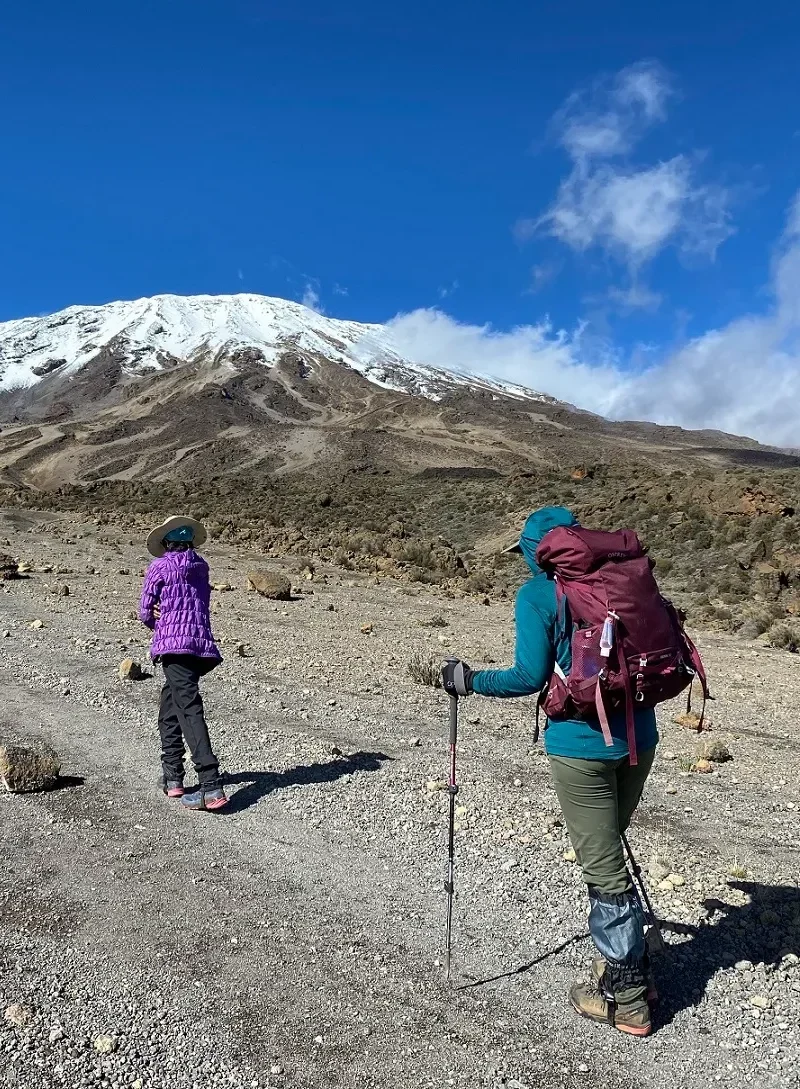
At a Glance
Duration: 9 Days on the mountain
Route Type: Tent camping
Start Point: Londorossi Gate
End Point: Mweka Gate
Difficulty: Moderate to challenging
Scenery: Rainforest, moorlands, Shira Plateau, alpine desert, glaciers, northern slopes
Best For: Trekkers seeking the highest summit success rates, excellent acclimatization, and a quieter Kilimanjaro experience
Detailed Itinerary – 9 Day Northern Circuit Route
Day 1: Londorossi Gate to Mti Mkubwa Camp
After registration at Londorossi Gate, drive to the Lemosho trailhead and start trekking through dense rainforest alive with bird calls and colobus monkeys. Reach Mti Mkubwa Camp for your first night under the stars.
Day 2: Mti Mkubwa Camp to Shira 1 Camp
Ascend through lush forest into the heather and moorland zone. Cross several streams before entering the Shira Plateau, with the first panoramic views of Kibo.
Day 3: Shira 1 Camp to Shira 2 Camp
A gentle trek across the Shira Plateau, with stunning vistas in all directions. This shorter day allows time to rest and adjust to the altitude.
Day 4: Shira 2 Camp to Lava Tower, then to Moir Hut
Climb to Lava Tower (4,630m) for high-altitude acclimatization, then descend to Moir Hut in a quiet valley. This "climb high, sleep low" day boosts your summit readiness.
Day 5: Karanga Camp to Barafu Camp
Leave Moir Hut and traverse the rarely visited northern slopes. The trail offers expansive views across the Kenyan plains.
Day 6: Buffalo Camp to Third Cave Camp
A steady trek with gentle elevation gain, passing remote alpine terrain. Enjoy peace and solitude far from the busier southern routes.
Day 7: Third Cave Camp to School Hut
Climb gradually to School Hut, your base camp for the summit attempt. Rest and prepare for the final ascent.
Day 8: Summit Day – School Hut to Uhuru Peak, then descend to Mweka Camp
Begin your final push just after midnight, reaching Gilman’s Point before sunrise. Continue along the crater rim to Uhuru Peak (5,895m) for breathtaking views. Descend via Stella Point and Barafu route to Mweka Camp.
Day 9: Mweka Camp to Mweka Gate
Descend through lush rainforest to Mweka Gate. After signing out and receiving your summit certificate, transfer back to your hotel.
What's Included
All Kilimanjaro National Park entry fees
Camping accommodation and all gear
Professional mountain guides, porters, and cook
All meals on the mountain
Filtered water and hot drinks
Rescue fees
Oxygen cylinder and first-aid kit
Pre- and post-trek briefing
Transportation to and from Londorossi Gate
Summit certificate (gold for Uhuru, green for Gilman’s Point)
What's Not Included
Flights and visas
Travel insurance
Tips for guides and porters
Personal trekking gear (sleeping bags, boots, etc.)
Accommodation before and after the trek (can be added on request)
Snacks and soft drinks
Portable toilets (available at extra cost)
FAQs – 9 Day Northern Circuit Route
Is this the best route for summit success?
Yes. The Northern Circuit is widely regarded as the Kilimanjaro route with the highest summit success rate—often over 90% with reputable operators. The nine-day itinerary provides ample time for gradual altitude gain, allowing your body to acclimatize naturally and reducing the risk of altitude sickness. This extra time also means shorter daily hikes, giving you more energy for the summit push.
How difficult is the Northern Circuit?
It’s considered moderate to challenging. While the daily trekking distances are manageable, the high altitude can make the climb physically and mentally demanding. The extended duration helps ease altitude stress, but summit day involves a long, strenuous ascent starting around midnight and lasting 12–14 hours in cold, thin air. Good preparation, steady pacing, and a positive mindset are key.
Is it good for beginners?
Yes—provided you have a reasonable level of fitness and are comfortable camping for multiple nights. The route’s slower pace and excellent acclimatization profile make it more beginner-friendly than shorter, faster routes. First-time trekkers who train with regular hiking, cardio exercise, and some uphill walking can do very well on this route.
What kind of accommodation is used?
You will sleep in high-quality, four-season mountain tents designed to withstand Kilimanjaro’s changing weather conditions. Thick foam sleeping mats are provided for comfort. There’s also a large dining tent with tables and chairs where meals are served, offering a warm, social space after a day’s trek. Toilet tents can be arranged for added comfort.
Will I see wildlife?
Yes, especially during the early days in the rainforest and moorland zones. Common sightings include black-and-white colobus monkeys, blue monkeys, bushbuck, and a variety of bird species. In the higher zones, wildlife is scarcer, but you may see alpine rodents and raptors like the augur buzzard or lammergeier.
When is the best time to climb?
The best months for climbing are January–March (cooler, quieter, with occasional snow on the summit) and June–October (warmer, drier, and busier). Avoid the long rainy season in April–May and the short rains in November, unless you prefer solitude and don’t mind wetter conditions.
Can I rent gear locally?
Yes.we provide a gear rental service like sleeping bags rated for sub-zero temperatures, insulated jackets, waterproof clothing, trekking poles, and headlamps. Renting is a great option if you want to travel light or avoid buying expensive gear you may only use once.
What about altitude sickness?
Altitude sickness can affect anyone regardless of age or fitness. The Northern Circuit’s gradual ascent greatly reduces the risk, but your guides will monitor you daily for symptoms such as headaches, nausea, or shortness of breath. Emergency oxygen and a first-aid kit are carried, and evacuation routes are available if necessary. Drinking plenty of water, eating well, and ascending slowly are your best defenses.
How cold does it get?
Temperatures vary with altitude. At lower camps, nights can be cool (5–10°C / 41–50°F), while higher camps can drop below freezing. On summit night, expect extreme cold—often between -7°C and -10°C (19–14°F), with wind chill making it feel even colder. Proper layering, insulated gloves, and a good sleeping bag are essential.
Can I charge devices on this route?
Power outlets are not available on the mountain. Limited charging is possible if you bring a small solar panel or power bank. Many trekkers carry two or three fully charged power banks to last the trip. To conserve battery life, keep electronics warm in your sleeping bag at night and use devices sparingly.
Explore More Kilimanjaro Routes
Join a Community of Adventurers
Climb with people who share your spirit for challenge and exploration. You'll find friendship, encouragement, and unforgettable stories on the mountain.
Seamless Travel Experience
We handle all the logistics — from airport transfers to park permits — so you can focus on enjoying the journey, not managing the details.
Stress-Free Climbing Support
Our experienced guides, reliable porters, and 24/7 support ensure a safe, comfortable, and well-organized Kilimanjaro experience — every step of the way.
Planning a Kilimanjaro Trek?
Let Our Local Experts Guide You
Whether you’re preparing for your first trek or returning for another summit, our team is here to help. Get personalized answers, route suggestions, and packing tips — from people who’ve actually climbed it.